
Starting a GLP-1 medication for diabetes or weight loss? Don’t forget your eyes.
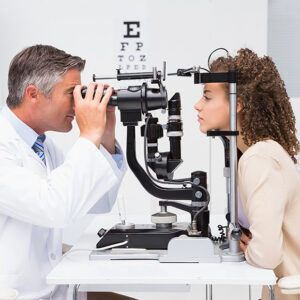
Starting a GLP-1 medication for diabetes or weight loss? Don’t forget your eyes. A comprehensive eye exam within 12 months before treatment or within one month after starting treatment is recommended to help detect early changes and protect your vision over time. Schedule yours today.
GLP-1 medications, such as Ozempic®, Wegovy® and Mounjaro®, are increasingly used to manage diabetes and support weight loss for millions of Americans.
For many patients, they are safe and effective. However, some research suggests these medications may be associated with certain eyerelated risks, particularly for individuals with diabetes or existing eye conditions.
In some cases, rapid changes in blood sugar levels (which can occur when starting GLP-1 medications) may also lead to temporary vision changes.
That’s why we recommend:
• A comprehensive eye exam before starting treatment or within the first month after starting
• Regular follow-up exams to monitor for changes
In rare cases, more serious vision symptoms can occur. Some eye changes can only be detected
during a dilated exam, often before symptoms appear. Contact our office right away if you notice:
• Vision loss in one eye
• Dark or missing areas in your vision
• Blurred or cloudy vision
These potential risks don’t mean you should stop taking your medication. Instead, they highlight the importance of regular eye exams to detect changes early and help protect your vision over time. Be sure to inform your doctor of optometry about any medications you are taking.
Schedule your eye exam today!